
Full-arch implant rehabilitation has undergone a paradigm shift with the advent of digital planning and guided implant surgery. Compared with freehand implant placement, fully guided protocols provide signifi cantly higher accuracy in implant positioning, angulation, and depth control, while reducing surgical variability and facilitating more predictable, prosthetically driven outcomes.1-3
A key clinical advantage of guided full-arch surgery is the ability to fabricate the temporary prosthesis before surgery, enabling immediate loading and rapid restoration of function and aesthetics on the day of implant placement.4,5 In freehand full-arch implant surgery, the provisional prosthesis is typically fabricated after implant placement, necessitating postoperative impressions and additional laboratory procedures. This may delay loading or require extensive chairside adjustment. By contrast, digital guided workflows enable prosthetically driven backward planning, potentially reducing treatment time and improving predictability by integrating the surgical and prosthetic phases into a single coordinated process.1 Despite these advantages, guided full-arch immediate loading protocols are often associated with increased chairside time on the day of surgery. This is mainly due to the need for intra-oral modification, relining, or pickup of pre- fabricated provisional prostheses to compensate for minor discrepancies between planned and actual implant positions.6 From a biological and biomechanical perspective, implants subjected to immediate loading are not yet osseointegrated, but may tolerate limited, controlled mechanical stress provided that sufficient primary stability and favourable load distribution are achieved.7,8 This challenges the need to achieve absolute prosthetic passivity at the time of surgery. Instead, it supports the concept that the implant-bone interface can biologically adapt during healing, with functional passivity developing after osseointegration. Controlled functional loading during early healing may therefore be compatible with osseointegration, provided micromotion remains within biologically acceptable limits. Excessive micromotion, however, may lead to fibrous tissue formation rather than direct bone integration.8 Earlier experimental studies have identified a critical micromotion threshold, commonly reported to be in the region of 50–150 μm, above which fibrous encapsulation is more likely; below this range, micromotion may even stimulate bone remodelling.7
To address these limitations, a continuous digital protocol has been proposed in which the provisional prosthesis is designed at abutment level and fabricated with pre-aligned screw channels, enabling direct fixation without temporary cylinders or intra-oral relining.9 In this workflow, the provisional PMMA prosthesis is screwed directly onto the implants at the time of immediate loading.
The present case report describes a fully guided, flapless mandibular full-arch rehabilitation using a prefabricated PMMA temporary prosthesis that is instantly screwed onto definitive abutments without any chairside modification. The objective is to demonstrate the clinical feasibility, accuracy, and biological rationale of the “instant screwing” protocol in immediate loading full-arch implant therapy.
Case report
A 55-year-old healthy, non-smoking female patient (ASA I) presented with generalised tooth mobility and gingival recession. Clinical and radiographic examinations were performed (Figs. 1a+b), leading to a diagnosis of generalised periodontitis, Stage III, Grade B. Following completion of periodontal therapy, the maxillary arch was stabilized through endodontic treatment and placement of provisional bridges.
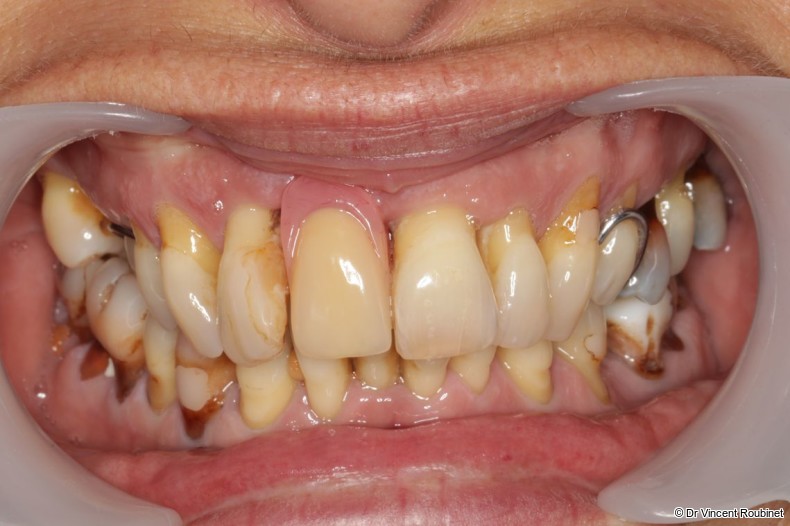
Fig. 1a: Preoperative intra-oral view showing generalised periodontitis.
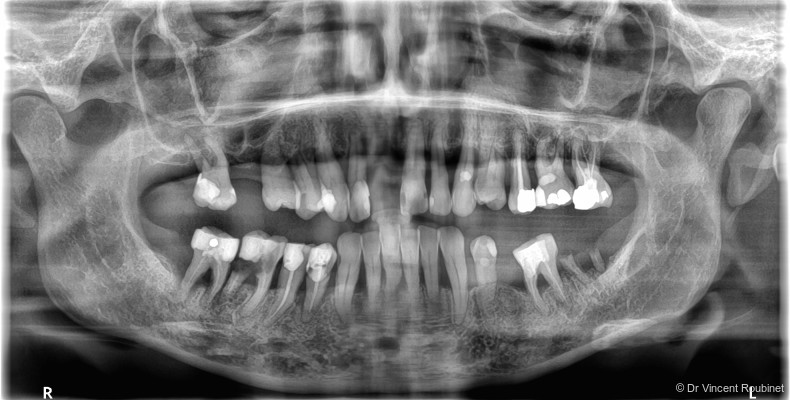
Fig. 1b: Radiographic examination showing generalised bone loss.
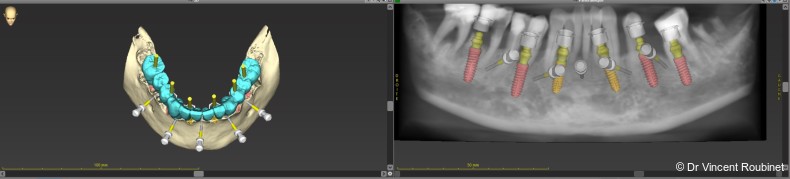
Fig. 2: CoDiagnostiX software used for implant planning.
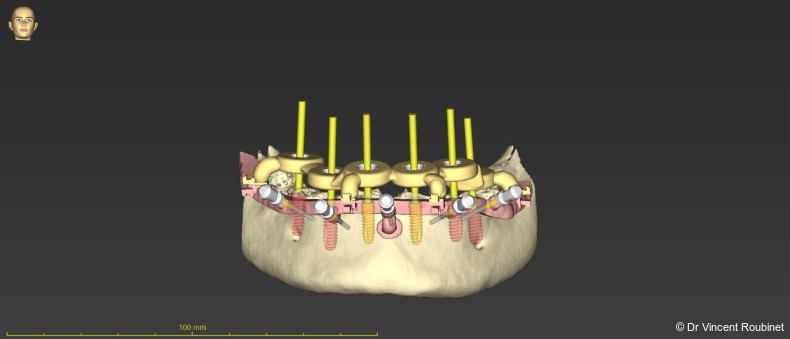
Fig. 3: Design of the metal stackable surgical guide.
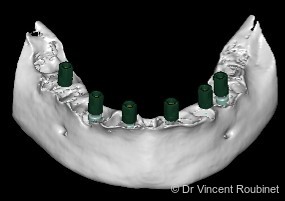
Fig. 4: Virtual impression obtained using scan abutments.
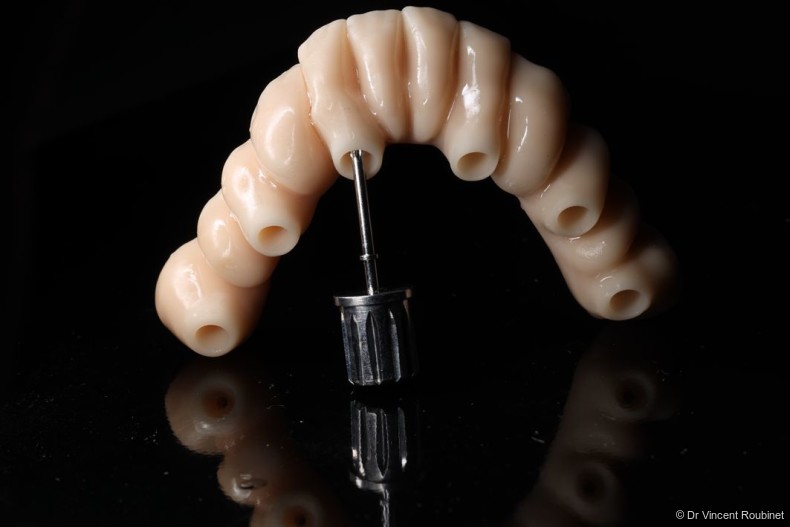
Fig. 5: Pre-milled PMMA provisional prosthesis.
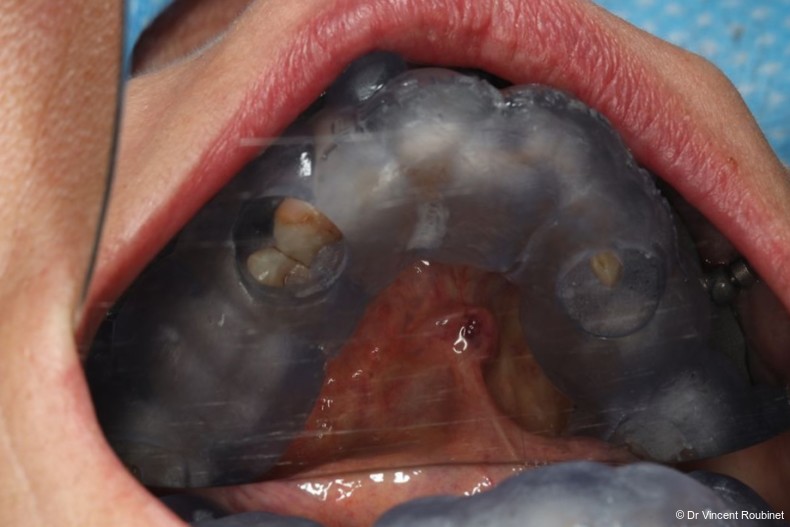
Fig. 6: Tooth-supported guide in position.
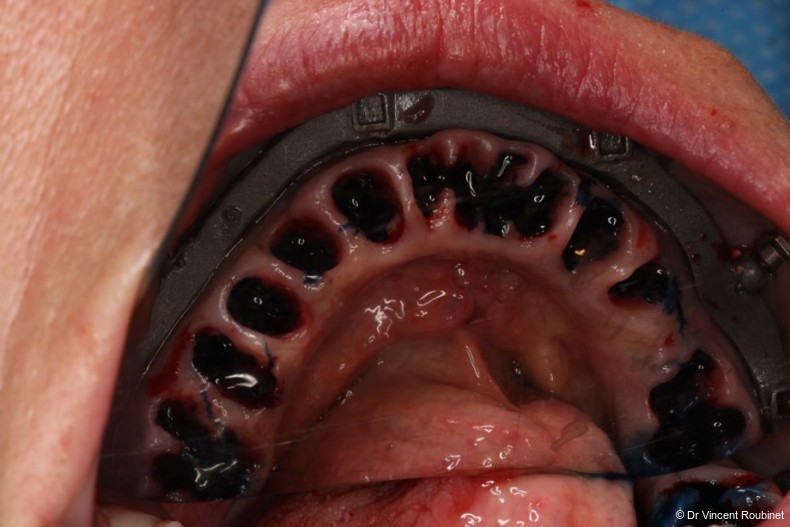
Fig. 7: Atraumatic extractions, curettage, and HELBO aPDT.
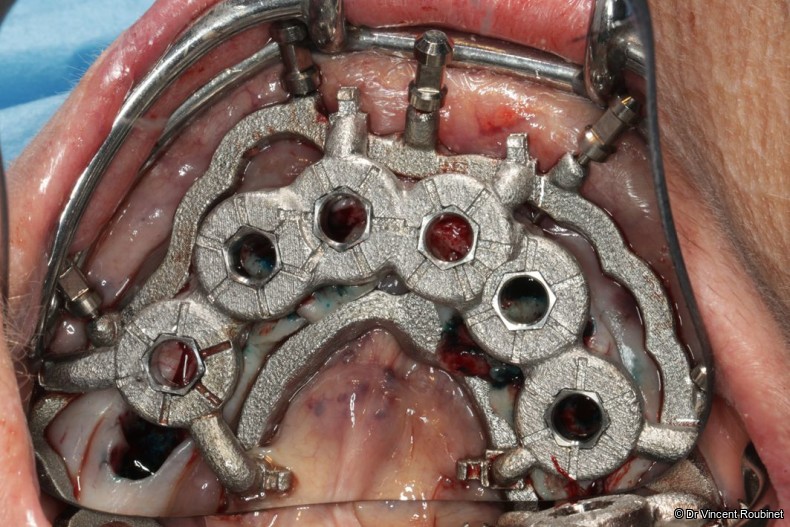
Fig. 8: Drilling guide positioned on the base guide.
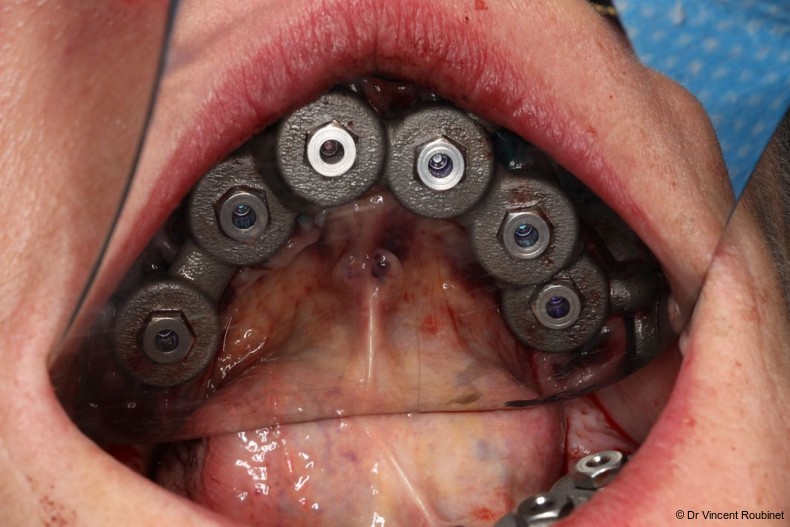
Fig. 9: Guided implant placement.
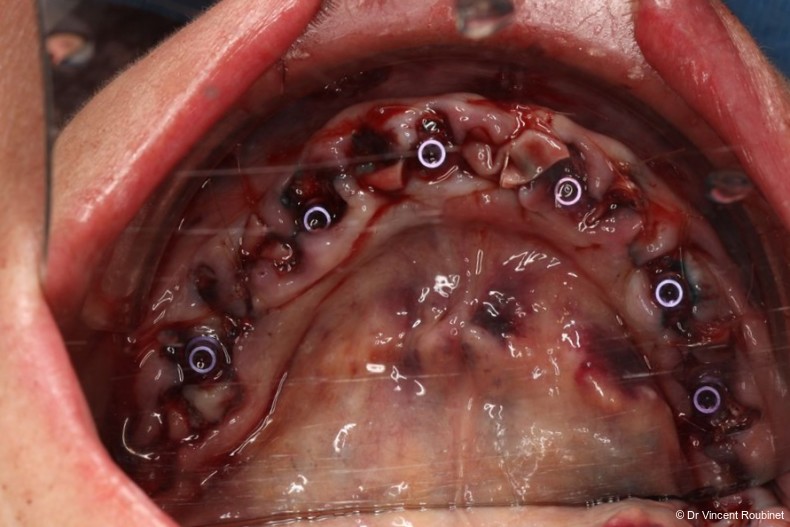
Fig. 10: GBR performed and copaSKY uni.cone abutments placed.
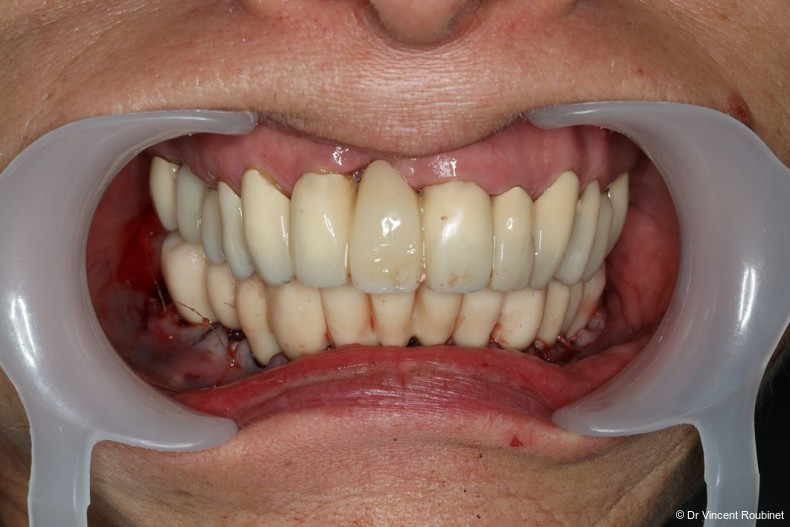
Fig. 11a: Immediate PMMA provisional prosthesis.
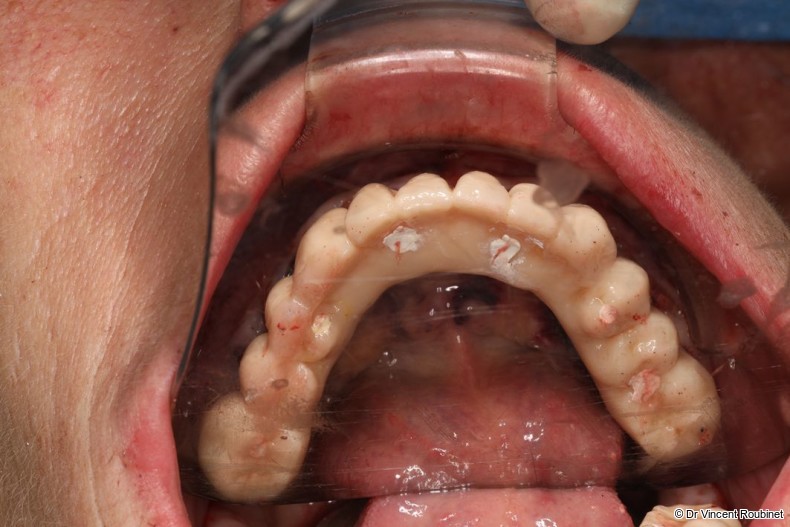
Fig. 11b: Occlusal view of the provisional prosthesis.
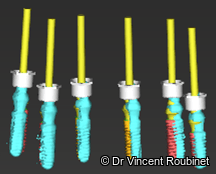
Fig. 12: Superimposition of the virtual plan and the segmented actual implant positions.
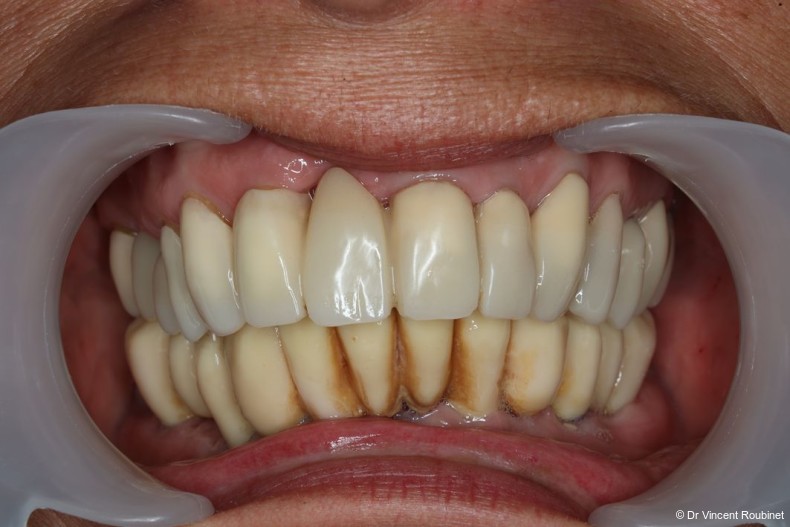
Fig. 13: Three-month postoperative follow-up.

Fig. 14: Three-month follow-up showing a healthy gingival profile after removal of the prosthesis.
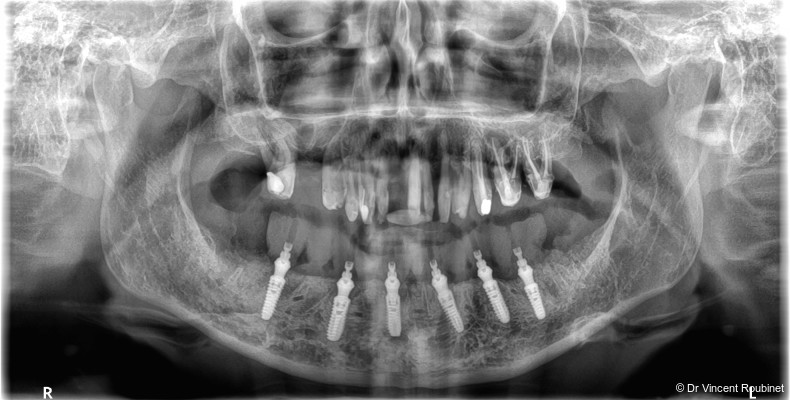
Fig. 15a: Immediate postoperative OPG.
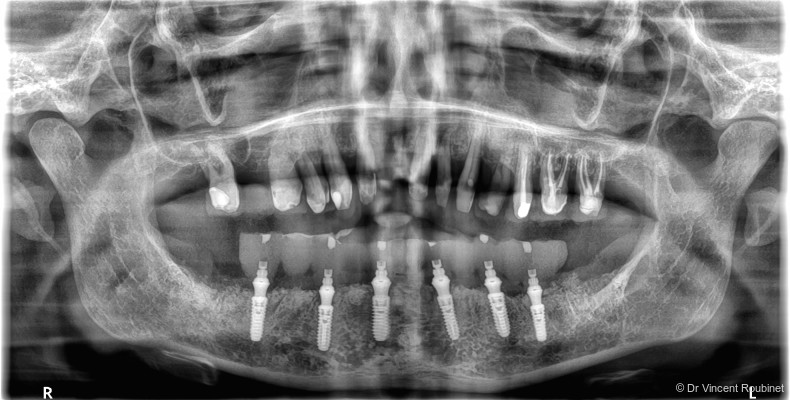
Fig. 15b: Three-month follow-up OPG showing stable crestal bone levels.
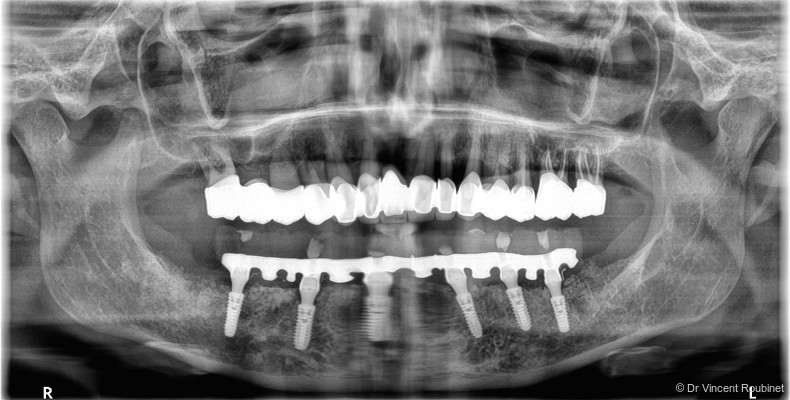
Fig. 16a: OPG of definitive prosthesis at six month post implant placement.
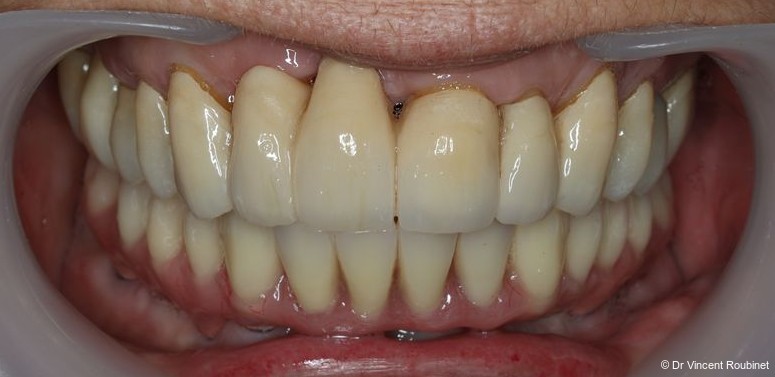
Fig. 16b: Frontal view of definitive prosthesis.
Digital planning phase
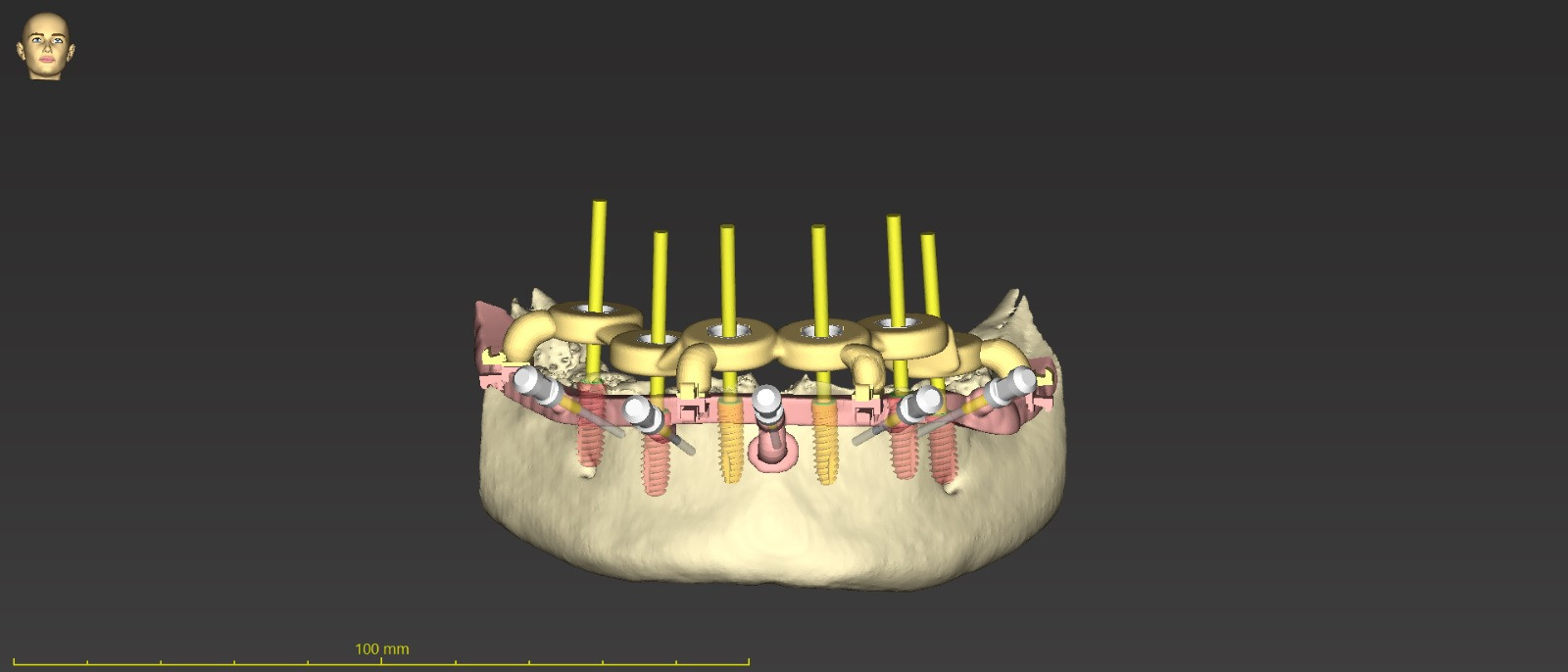
Treatment planning for the mandibular arch was carried out according to the SKY fast & fixed protocol using a fully digital workflow. coDiagnostiX software was used to superimpose the DICOM and STL files, together with the virtual prosthesis, in order to plan implant positions and design the surgical guides (Fig. 2).
Metal stackable surgical guides (Remi Laffont, Teethproject Labo) were designed (Fig. 3) and fabricated by laser sintering to provide the rigidity and accuracy required for this protocol. The SKY uni.cone fast & fixed abutments (SKY, bredent medical) were then positioned virtually on the planned implants (Fig. 4). A corresponding scan body was applied to obtain a pre-surgical virtual impression. A provisional PMMA prosthesis was milled in advance in accordance with the protocol and kept ready prior to surgery (Fig. 5). Its internal geometry was digitally designed to replicate the configuration of the prosthetic coping, allowing the prosthetic screw to be torqued directly onto the abutment. This eliminated the need for temporary cylinders or copings during delivery of the provisional prosthesis. Before surgery, the prosthesis was verified on three- dimensional printed models using laboratory analogues to confirm fit and seating accuracy. This integrated coping design allowed the provisional restoration to be fixed immediately to the abutments following implant placement, forming the basis of the “instant screwing” protocol.
Surgical phase
Under local anaesthesia, the mandibular teeth were atraumatically extracted. The base guide was positioned using the tooth-supported guide and stabilised with wedges (Fig. 6). Socket curettage and antibacterial photodynamic therapy (aPDT) were carried out according to the manufacturer’s instructions (Helbo™, bredent medical). Antibiotic irrigation was then performed, and the sulcular epithelium was deepithelialised (Fig. 7). A fully flapless approach was adopted. The osteotomy guide was positioned on the base guide, and stability was ensured with fixation pins and ligatures (Fig. 8). Using the SKY Proguide kit, the osteotomies were completed. Guided placement of the posterior implants was performed first in order to stabilise the template (Fig. 9). Following engine-driven implant placement, the final seating was completed manually through the guide using a torque wrench, placing the posterior implants first, followed by the anterior implants, and finally the middle implants. All implants achieved an insertion torque of at least 35 Ncm. The SKY uni.cone abutments were placed and prosthesis fit was verified.
Prosthetic and grafting phase
The temporary prosthesis and abutments were then removed, and socket preservation was carried out using sticky bone, consisting of injectable PRF (platelet-rich fibrin), autogenous bone and xenograft material (Bio-Oss, Geistlich), protected with a PRF membrane. The surgical site was secured with resorbable monofilament sutures (BioSyn™).
The copaSKY uni.cone abutments were then torqued onto the implants (Fig. 10), and the temporary prosthesis was screwed into place by sequential tightening of the screws on each abutment to 15 Ncm (Figs. 11a+b).
The PMMA prosthesis was fitted to the abutments without any modification, thereby validating the “instant screwing” protocol. Radiographic assessment of fit was not possible owing to the radiolucent nature of PMMA. Prosthesis fit was therefore assessed clinically under 3.8 × magnification. The accuracy of guided surgery and prosthesis positioning was evaluated by superimposing the digital planning data with the segmented post-surgical implant positions. This demonstrated no clinically significant discrepancy (Fig. 12).
Outcome and follow-up
All implants osseointegrated uneventfully, with no postoperative complications. At the three-month follow-up, the peri-implant soft tissues were healthy and exhibited a favourable gingival profile (Figs. 13+14). Comparison of the immediate postoperative radiograph (Fig. 15a) with the three-month follow-up radiograph (Fig. 15b) demonstrated stable crestal bone levels. Definitive prosthesis was completed six months after implant placement uneventfully. (Figs. 16a +b)
Discussion
The present case report demonstrates the clinical feasibility of a fully digital guided implant protocol in which a prefabricated PMMA provisional prosthesis was immediately fixed onto definitive abutments without intra-oral modification. The integration of surgical and prosthetic planning within a continuous digital workflow has been previously described as a key factor in improving predictability and reducing procedural variability in implant rehabilitation.9 By designing the provisional prosthesis at the abutment level prior to surgery, the present protocol aligns with the principles of continuous digital workflows, enabling a seamless transition from virtual planning to clinical execution.
Recent clinical studies support the use of digitally prefabricated provisional prostheses in full-arch immediate loading protocols. A prospective pilot cohort study reported high implant survival rates and minimal prosthetic complications when full-arch PMMA provisional prostheses were fabricated digitally and delivered immediately after guided im- plant placement, without the need for intra-oral relining or cast verification.10 These findings corroborate the clinical outcome observed in the present case, where the provisional prosthesis was delivered without chairside modification. The material properties of PMMA further support its use in immediate loading scenarios. Recent evaluations of PMMA provisional restorations fabricated through a fully digital workflow have demonstrated favourable short-term survival, adequate mechanical behaviour, and minimal biological complications during the immediate loading phase.11 This reinforces the suitability of PMMA as a provisional material in protocols requiring early function and controlled load distribution across multiple implants. The accuracy of guided implant placement is a critical determinant for the success of prefabricated prostheses. Stackable and rigid surgical guides fabricated using advanced manufacturing techniques, such as selective laser melting, have been shown to improve positional accuracy and stability during full-arch implant placement.12 Such guide systems reduce cumulative errors and are particularly advantageous when immediate loading with a prefabricated prosthesis is planned, as even minor deviations may compromise pros- thetic fit. In the present protocol, the copaSKY implant system (bredent medical) was selected to support immediate loading and full digital integration. The implant macrodesign, combined with a conical-parallel internal connection, is intended to promote high primary stability and favourable force distribution—both critical prerequisites for immediate loading protocols. Achieving insertion torque values ≥ 35 Ncm across all implants allowed immediate functional loading in accordance with established biomechanical principles. Furthermore, the availability of system-specific digital components, including virtual implant libraries, definitive abutments, and corresponding scan body, enabled accurate preoperative virtual impressions and abutment-level prosthetic planning. This system compatibility supported the execution of a continuous digital workflow from planning to prosthesis delivery, minimising analogue steps and potential sources of error. Recent advancements in guided and navigated implant surgery further support the trend toward precise, prosthetically driven workflows. Dynamic navigation systems have demonstrated promising results in immediate loading of full-arch restorations, offering improved control over im- plant positioning and facilitating prosthetic delivery with reduced adjustment requirements.13 Although static guided surgery was employed in the present case, these emerging technologies highlight the ongoing evolution toward greater accuracy and efficiency in full-arch rehabilitation. Time efficiency and patient comfort are important clinical considerations in extensive implant procedures. Fully guided sequential template protocols for immediate loading have been shown to reduce surgical and restorative time while maintaining high implant survival and favourable soft-tissue outcomes.14 The elimination of intra-oral relining or pickup procedures, as demonstrated in the present case, directly contributes to reduced chairside time and enhanced patient experience. Despite these advantages, limitations must be acknowledged. Systematic reviews have emphasised that although guided surgery improves accuracy, deviations between planned and placed implants remain inevitable due to multiple sources of error within the digital workflow.15 Therefore, strict case selection, precise digital planning, and rigid guide stabilisation are essential prerequisites for the successful application of prefabricated immediate provisional prostheses. In the present protocol, the exclusive use of axial implants minimised biomechanical and geometric complexity, which may not be applicable in cases requiring tilted implant placement. The use of the same prosthetic screw system for fixation onto the uni.cone abutments eliminated the need for additional prosthetic cylinders or intermediary components. The design of the SKY unicone supports the direct screw- retained restorations, as the flat screw seat is easy to produce. The screw is additionally protected by form fit against the lateral forces, because functional loads are transferred directly from the prosthesis to the abutment through the cylindrical interface. This simplified prosthetic component chain, together with the digital compatibility of the copaSKY implant system with guided surgery planning and prosthetically driven workflows, contributes to a streamlined, economical, and clinically reliable approach for immediate loading in full-arch implant rehabilitation. The primary limitation of this report is its single-case design with short-term follow-up. While the clinical and radiographic outcomes were favourable, larger prospective studies with long-term follow-up are required to validate the reproducibility, biological safety, and mechanical reliability of this protocol. Future research should focus on comparative analyses of chairside time, prosthetic accuracy, and patient- reported outcomes between prefabricated and conventionally adjusted immediate loading protocols, as well as the applicability of this approach to tilted implant configurations.
Conclusion
The present protocol demonstrates that a fully digital, guided workflow can facilitate the immediate fixation of a prefabricated PMMA provisional prosthesis in full-arch rehabilitation without intra-oral modification. By eliminating chairside relining or pickup procedures, the approach may reduce operative time on the day of surgery and im- prove overall patient comfort. The “instant screwing” protocol, as described, is currently applicable to cases involving axial implant placement, where geometric alignment and prosthetic accuracy can be more predictably maintained. However, the findings are based on a single clinical case with short-term follow-up and there- fore cannot be generalised. Prospective clinical trials with larger sample sizes and long- term evaluation are required to validate the reproducibility, biological safety, and biomechanical reliability of this approach. Future investigations should also explore modifications to the protocol to enable its application in cases involving tilted implants with guided full-arch immediate loading rehabilitations.